
Upcoming Event
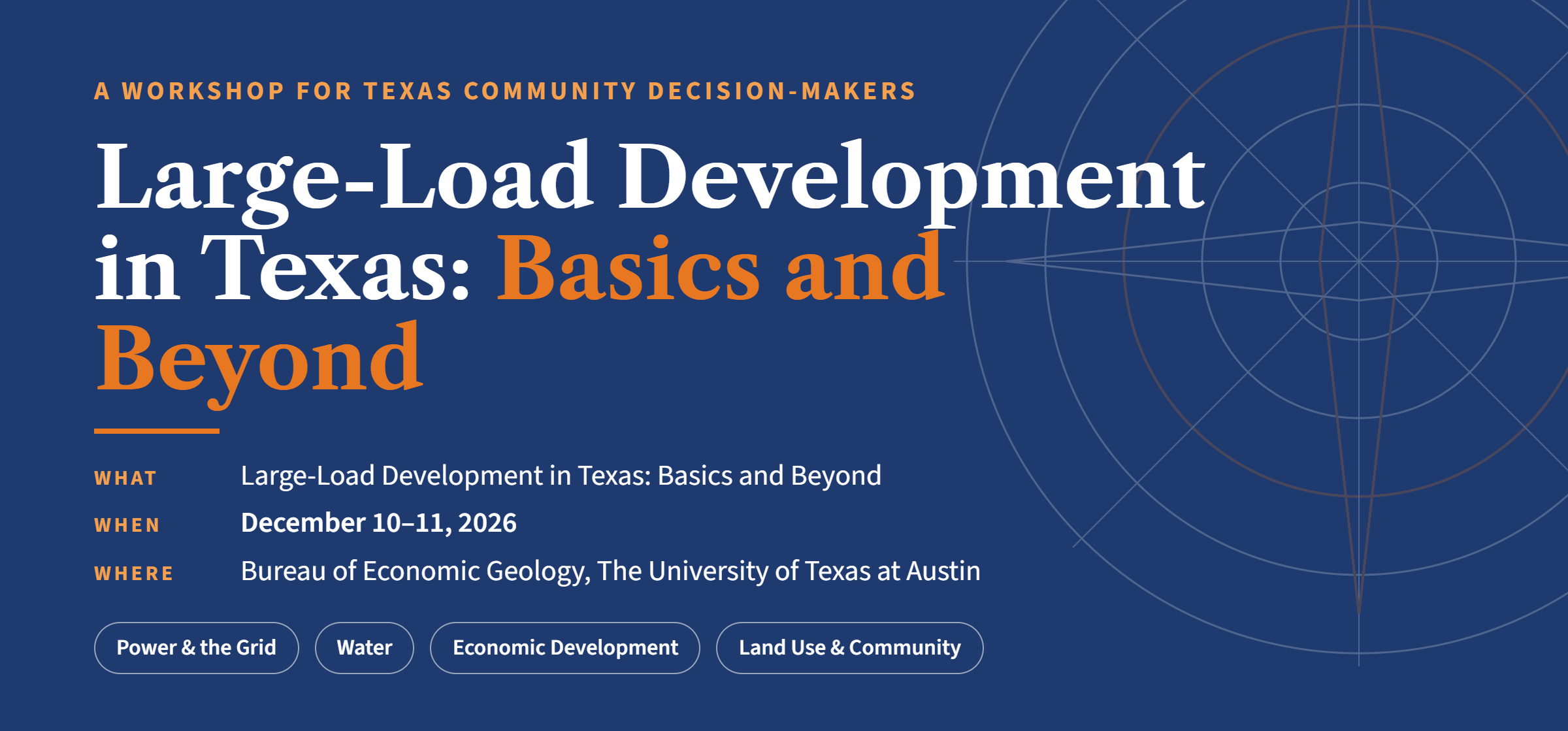
Large-Load Development in Texas: Basics and Beyond
COMPASS is hosting a two-day workshop for Texas local decision-makers, including elected officials, city and county staff, and economic development professionals. The workshop aims to provide a clear, research-based understanding of large-load development in Texas, as well as the opportunities and challenges communities face as they plan for future growth.
When: December 10-11, 2026
Where: Bureau of Economic Geology, The University of Texas at Austin
About Us
Collaborative Optimization & Management of Power Allocation: Surface & Subsurface strategies (COMPASS) is multi-disciplinary research initiative dedicated to analyzing the complex trade-offs between systems and resources in the rapid expansion of digital infrastructure and large loads in Texas.
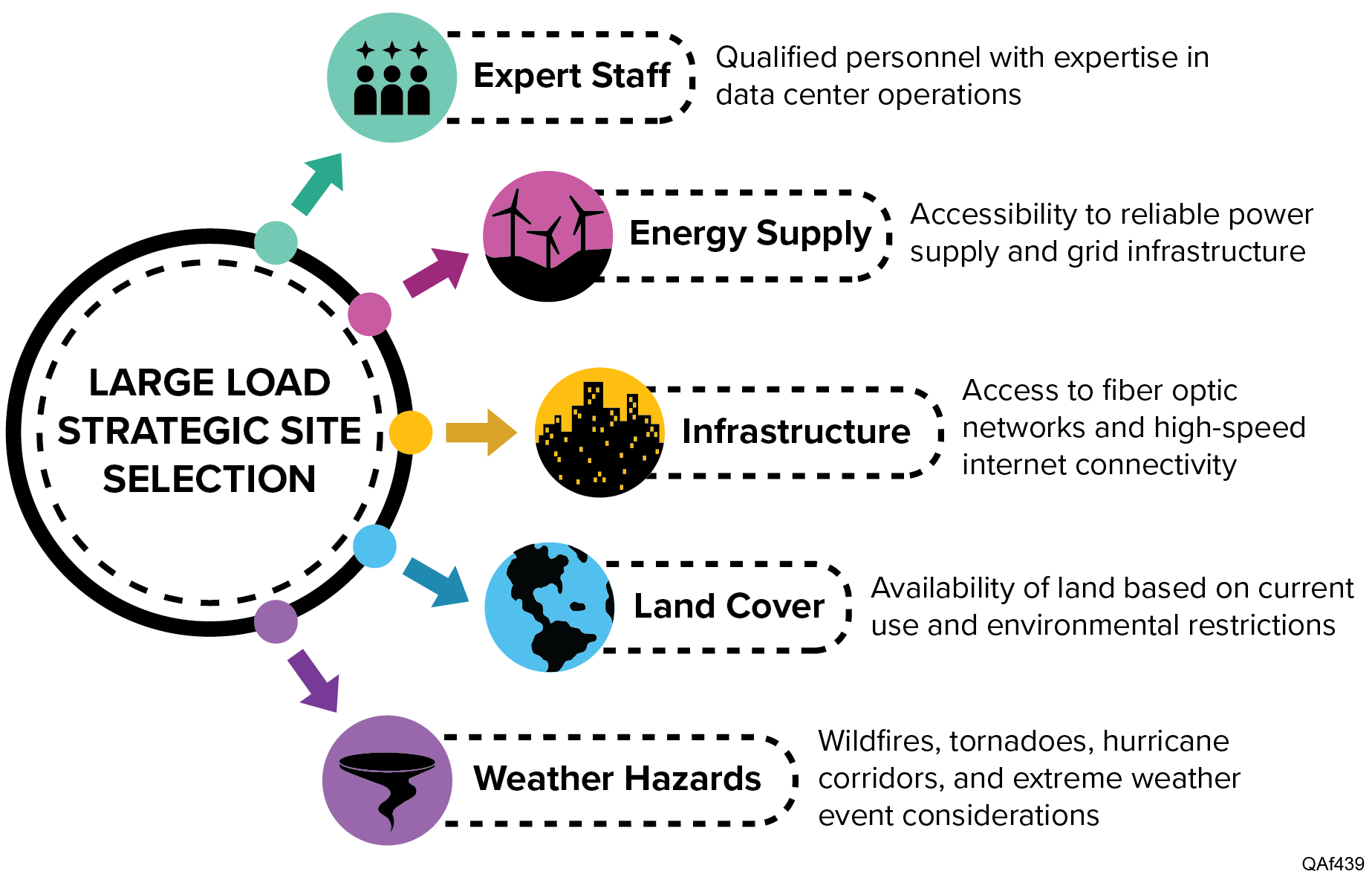
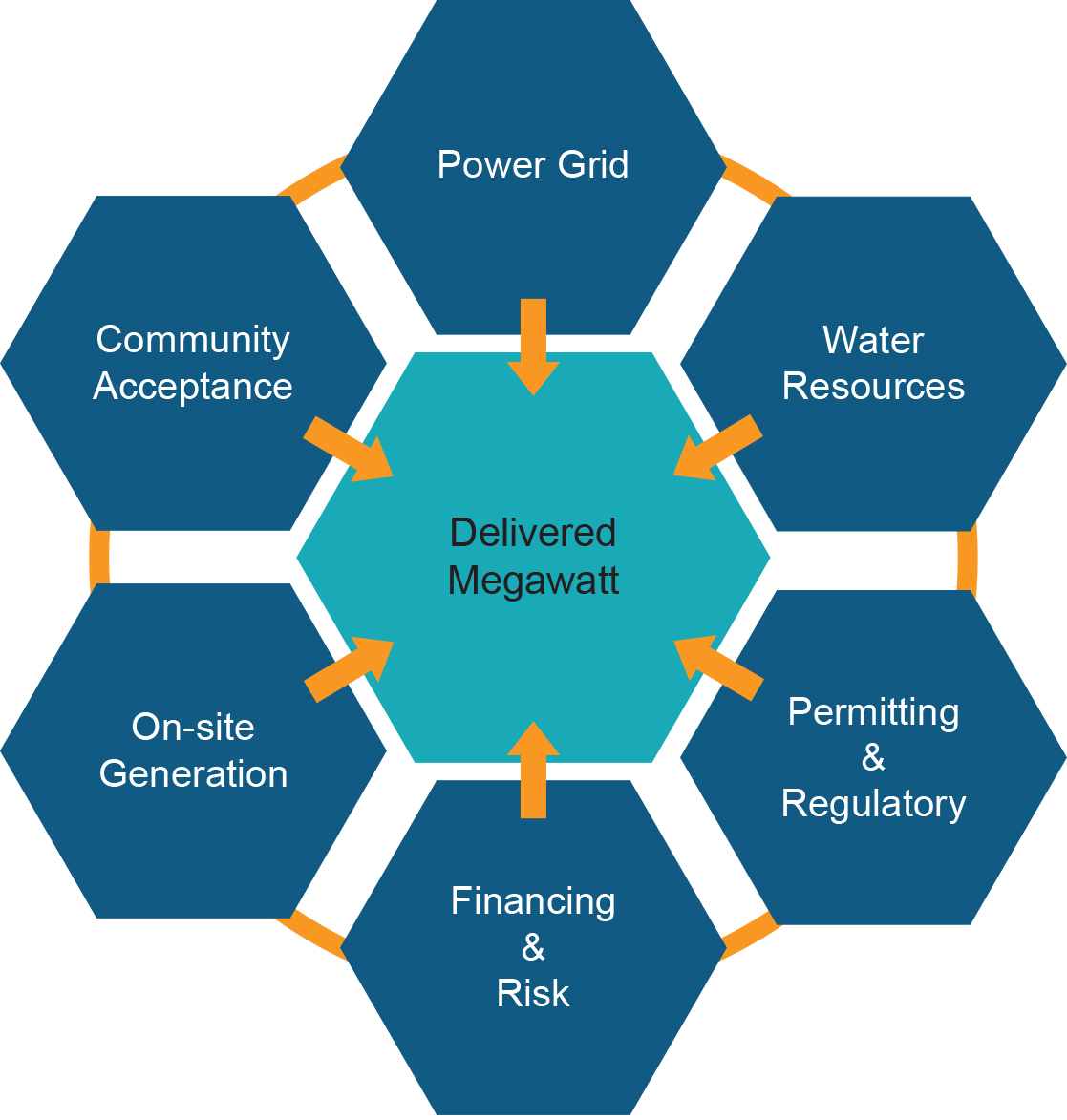
At COMPASS, we take a systems approach to support resource alignment for large-load development in Texas. Our research examines the interactions between power, water, land use, community, and policy & regulatory systems, and brings together stakeholders to align economic competitiveness with community stewardship, regional resilience, and sustainable infrastructure.
Motivation
Texas is at the center of a surge in large-load development—from data centers and oil and gas to advanced manufacturing, refining, and mining. While these sectors differ in purpose, they all depend on shared systems: the electric grid, water and land resources, transportation infrastructure, and surrounding communities. This convergence creates both risks and opportunities. Without integrated planning, projects may compete for limited capacity, strain local infrastructure, and amplify environmental and social impacts. The Bureau of Economic Geology brings a uniquely broad and deep research capacity to address this challenge. Our expertise spans oil and gas systems, critical minerals, geothermal energy, carbon capture and storage (CCS), hydrogen, nuclear energy, renewables (wind and solar), groundwater, soil systems, and electric grid integration integration—positioning us to support multi-dimensional, data-informed planning. Built on this foundation, the consortium offers a coordinated, cross-sectoral platform for managing large-load growth. We are energy technology–agnostic and focused on delivering sustainable, reliable, and commercially viable solutions for industry, policymakers, and communities. This partnership forms a strategic alliance that enables coordinated and informed decision making through a platform that continuously evolves with Texas' dynamic energy and resource systems.
Research Thrusts
Integrated Infrastructure & Siting Analysis
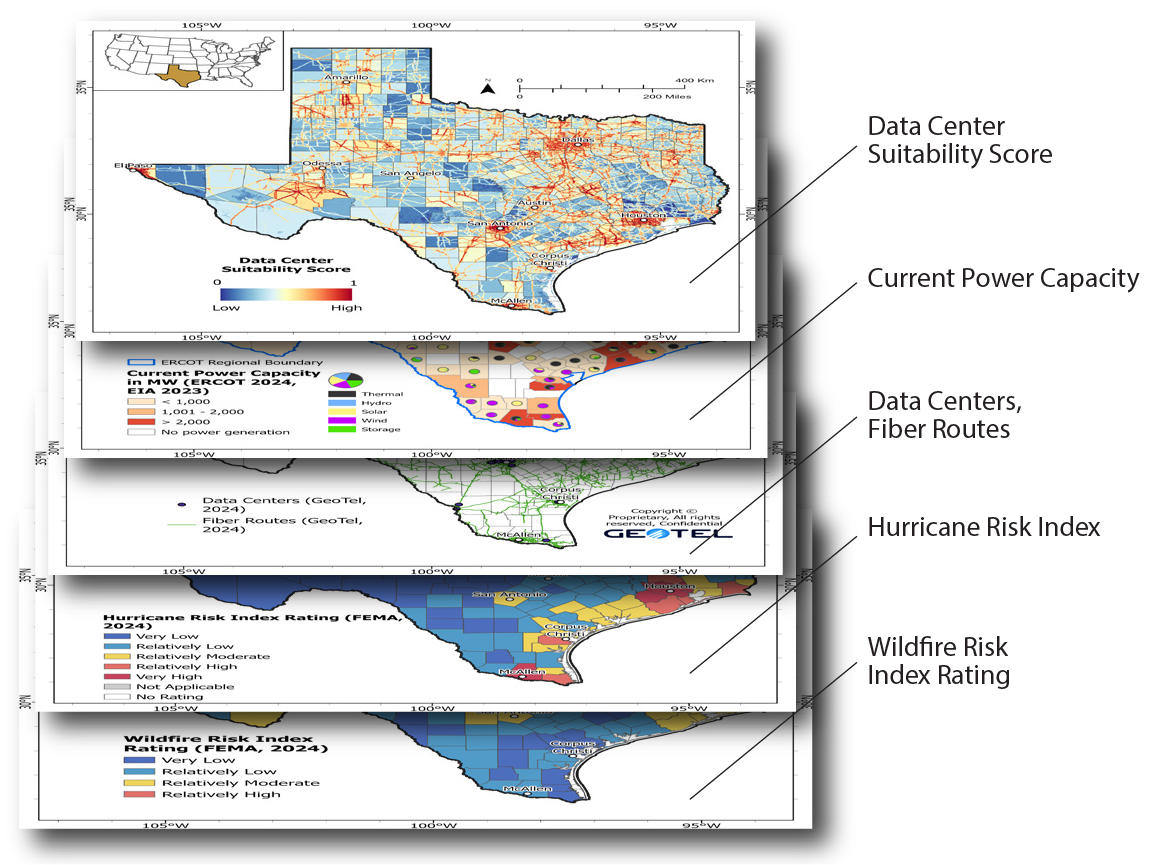
- Geospatial screening and site prioritization
- Surface–subsurface integration for energy, water, land, and reuse opportunities
Water Resource Integration & Cooling Technology
- Assessment of direct and indirect cooling demand across technology choices
- Water-energy trade off analysis
Community & Workforce Alignment
- Assessing regional readiness: housing, roads, permitting, and labor availability
- Research based information availability to communities to support informed decision-making.
Policy & Permitting Pathways
- Mapping and tracking of Texas regulatory landscape for large-load development
Environmental Tradeoffs & Grid Resilience Modelling
- Life-cycle and techno-economic analysis of site-level impacts
- Assessment of Behind-the-meter configurations
- Emissions, water use, and co-location tradeoffs
Grid Impact Analysis
COMPASS collaborates with UT Austin’s Center for Electromechanics (CEM) through a strategic partnership focused on load forecasting, resource assessment, and power and energy systems analysis. This collaboration uses modeling and simulation to evaluate the impacts of new loads and generation resources on the grid, complemented by CEM’s megawatt-scale microgrid test facility. Real-time simulation serves to expedite conducting utility grid scale impact and feasibility assessments.

Consortium Outputs
- Detailed, scenario-based forecasting reports, segmented by industry and region.
- A web-based, interactive visualization and mapping database.
- Policy briefs and strategic recommendations for industrial load planning, community integration, and environmental alignment.
- Access to student research program and community-based pilot projects.
- Educational outreach materials and tours to support community outreach and policy alignment.
Research & Insights
March 27, 2026 - White paper
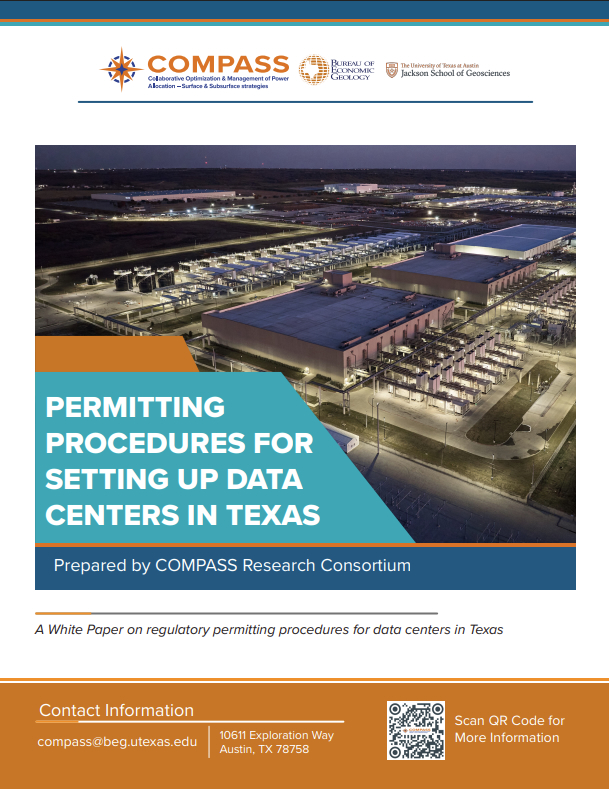
Permitting procedures for setting up data centers in Texas
This white paper maps the key permits required, outlines the broader regulatory landscape, and examines the zoning considerations involved in developing a data center in Texas.
February 3, 2026 - White paper
On-site Power Generation Technologies Reshaping the Future of Data Centers
A White Paper on the prospects, future, and comparison of different generation options, including grid connected, isolated, and Behind the Meter systems for data centers in Texas.
December 11, 2025 - White paper
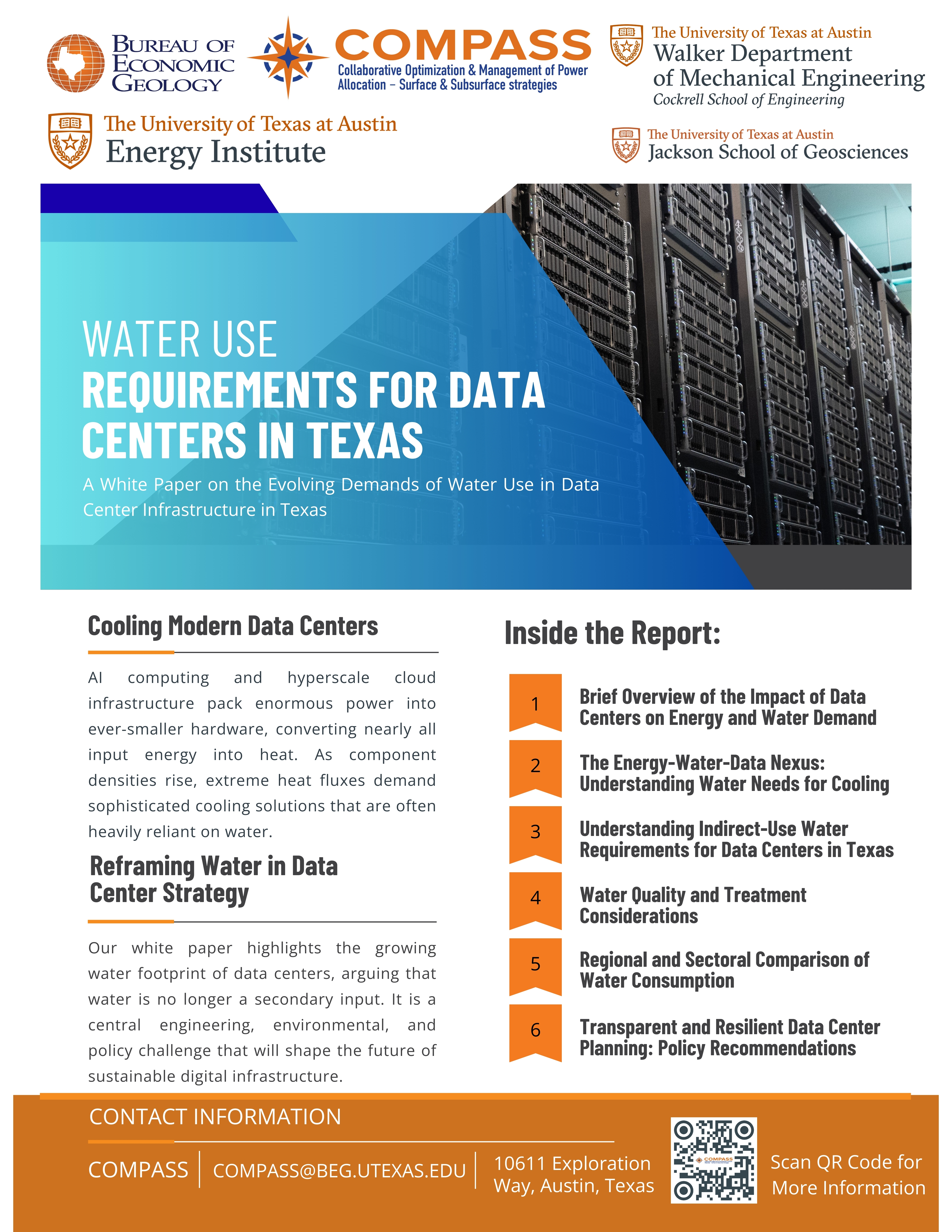
Water Use Requirements for Data Centers in Texas: A White Paper on the Evolving Demands of Water Use in Data Center Infrastructure in Texas
This white paper highlights the growing water footprint of data centers, emphasizing that water is no longer a secondary input. It is now a central engineering, environmental, and policy challenge that will shape the future of sustainable digital infrastructure.
August 11, 2025 - Research Article
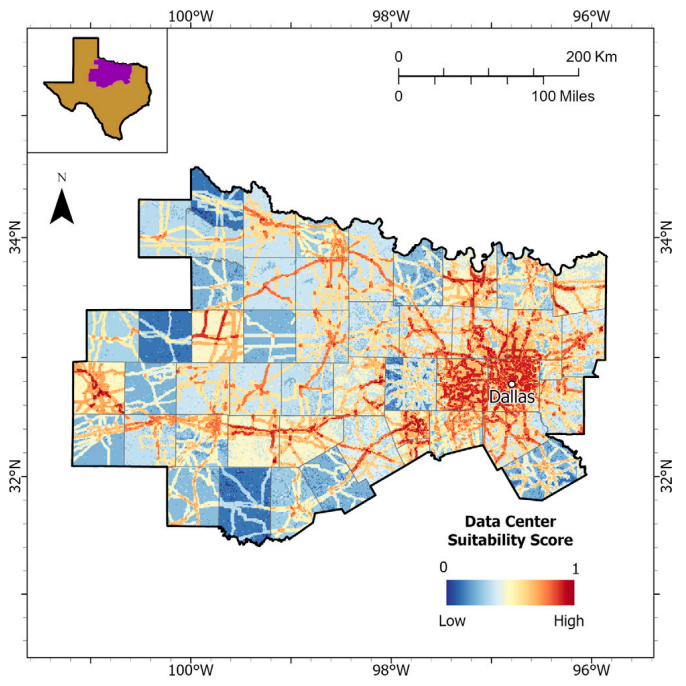
Geospatial Suitability Analysis for Data Center Placement: A Case Study in Texas
Mariam Arzumanyan, Edna Rodriguez Calzado, Ning Lin, Vaibhav Bahadur, Jani Das, Tingwei Lucy Ko, and Lars Koesterke present a geospatial suitability analysis for data center placement in Texas, integrating machine learning-based feature importance with a multi-criteria decision-making (MCDM) approach.
News & Events
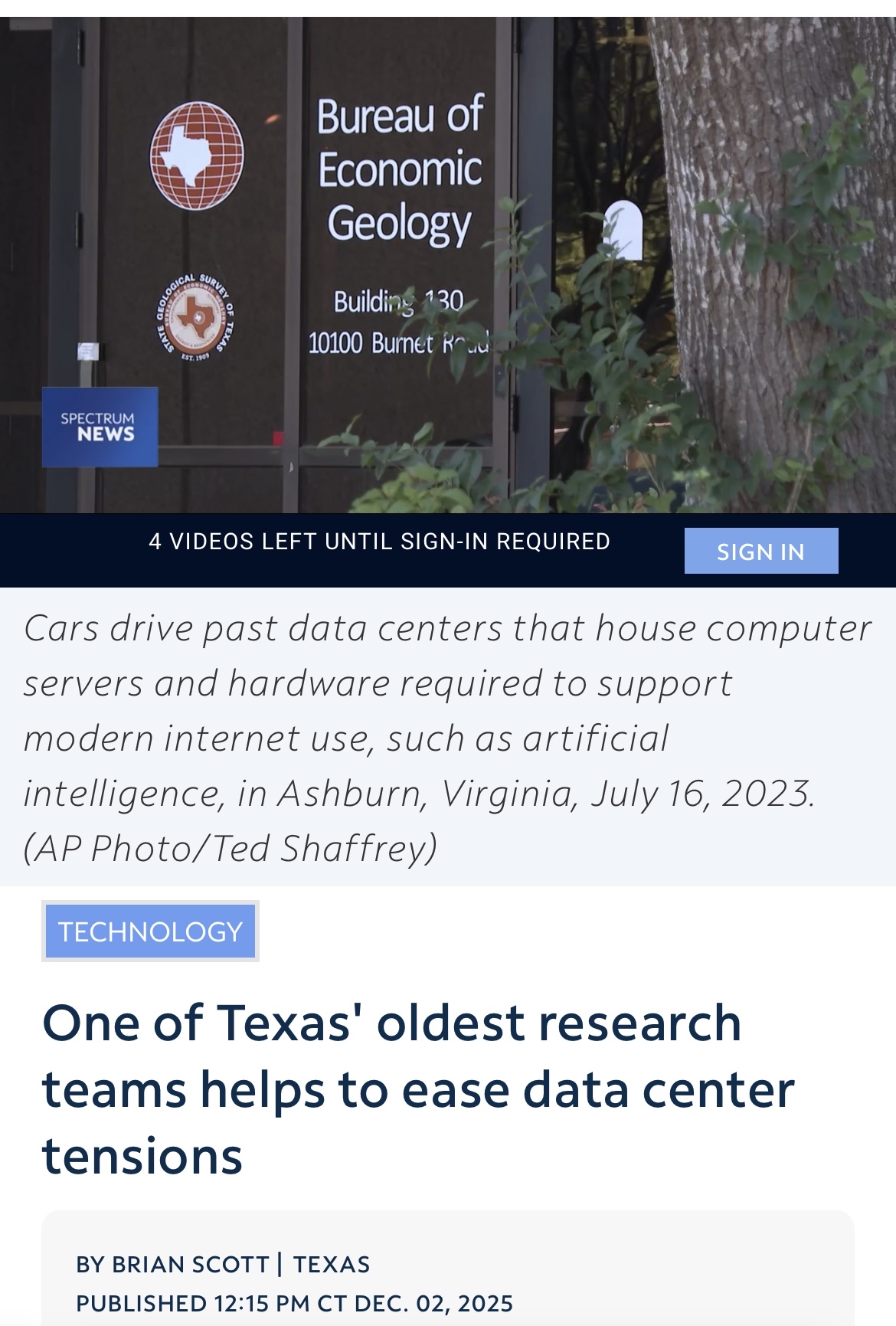
One of Texas' oldest research teams helps to ease data center tensions
The University of Texas at Austin's Bureau of Economic Geology has launched a new research consortium — the Collaborative Optimization & Management of Power Allocation, Surface & Subsurface strategies (COMPASS)...
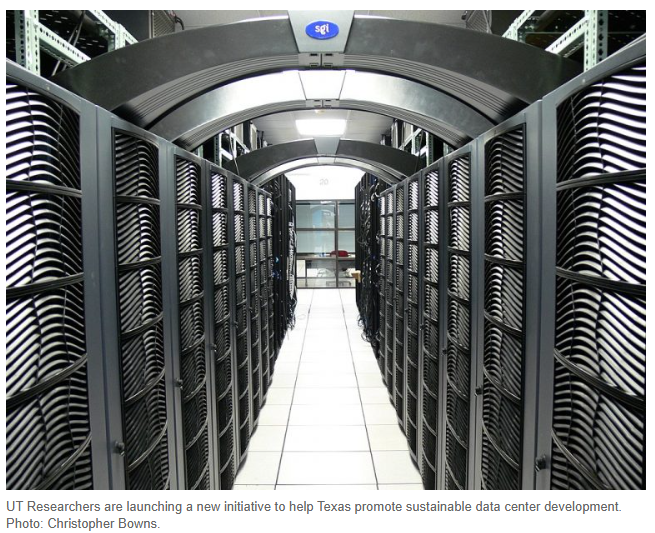
New Research Program Promotes Sustainable Data Center Growth in Texas
The Bureau of Economic Geology announces a new consortium focused on addressing the growing demand for data center infrastructure while ensuring environmental sustainability...
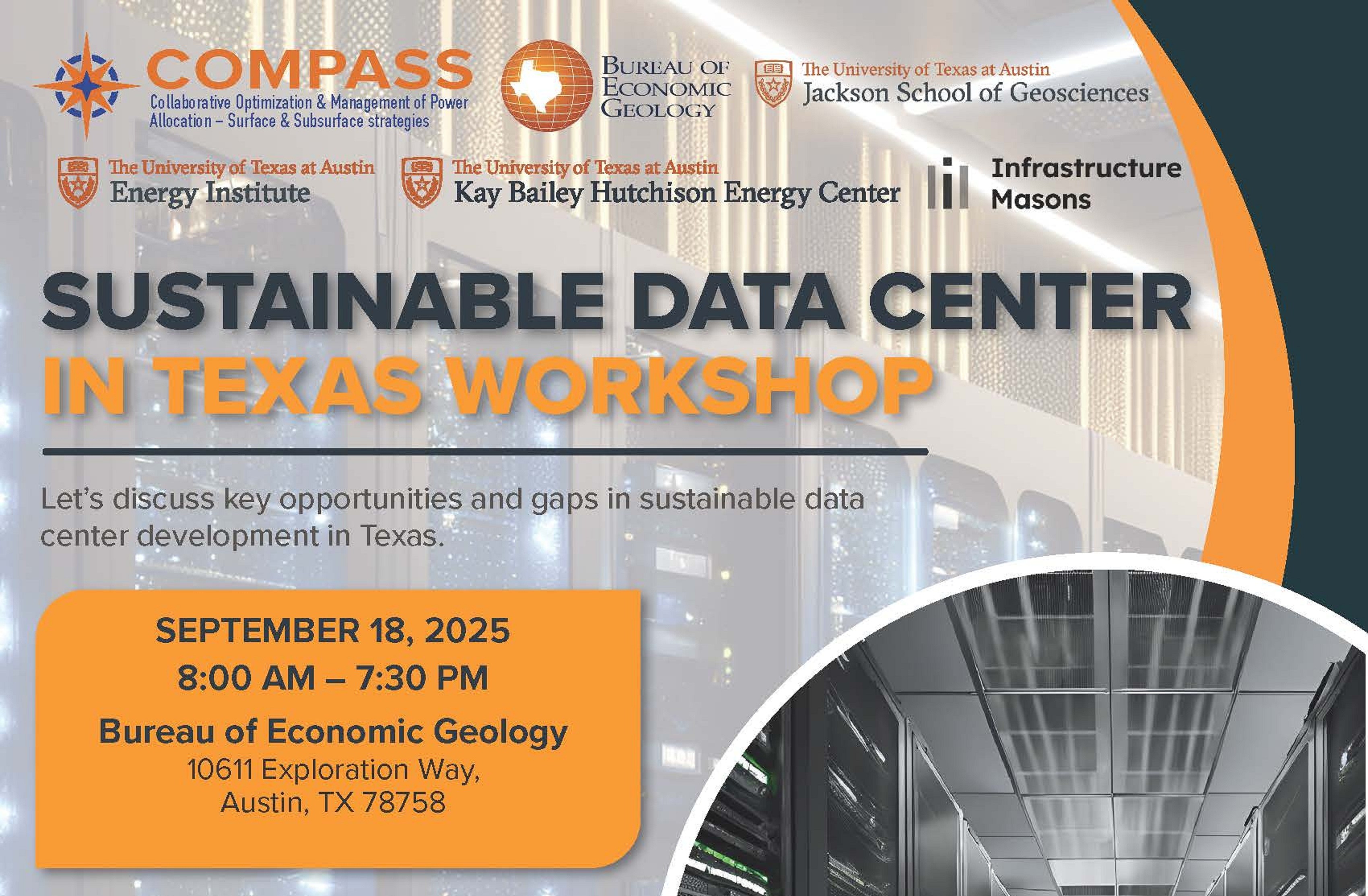
COMPASS First Annual Workshop on Sustainable Data Center Growth - September 18, 2025
This workshop brought together industry leaders, policymakers, and researchers to examine infrastructure and planning challenges associated with rapid data center growth.

